


Contact
Steve Roberts, LLC
NO PRESSURE. SPEAK TO AN ATTORNEY. NO HIDDEN FEES.
"*" indicates required fields

Studying a population of nearly 4,000 patients from the UK’s Trauma Audit Research Network Database, researchers found that spinal injuries occurred in 11.2% of motorcyclists and 14.1% of car occupants involved in automobile accidents. Although researchers found greater instances of spinal injuries in car occupants, more severe injuries were noted in motorcyclists. To learn more about the findings of the study and what they mean for drivers today, read on for a short summary and analysis. Spinal Injury Patterns Resulting from Car and Motorcycle Accidents A study published in the medical journal Spine concluded that “Spinal injury patterns may reflect differing mechanisms …
Continue reading “Spinal Injury Patterns in Motorcycle Accidents: What the Science Can Tell Us”

Prior to 1980, the federal government regulated the trucking industry in the United States. However, thanks to a complex political battle, the government sudden lurched libertarian with respect to this issue, removed industry state regulations and reduced oversight. The arguments for deregulation included: increased competition, greater productivity, increased efficiency and reduced prices for goods. Opponents to deregulation worried about pollution, environmental safety, economics and conglomerates eating up small businesses and the accidental creation of monopolies. Both conservatives and liberals embraced the pro-deregulation ideas proposed through the Chicago School of Economics, also supported by at least two think tanks in Washington. …
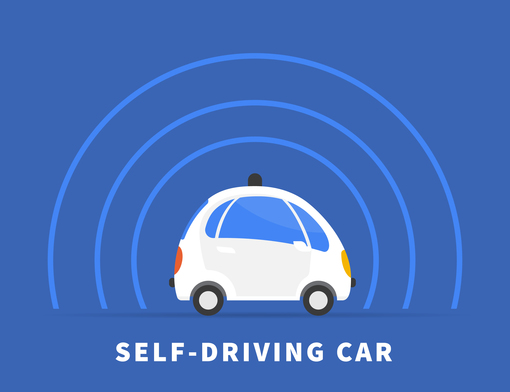
An estimated 94 percent of accidents across the nation are due to human mistakes. That’s a terrifying statistic, one that practically demands a Manhattan Project like marshaling of resources to address. Fortunately, over the past decade, Google and other tech pioneers have been hard at work on the case, perfecting the technology for self-driving cars. These “vehicles from the future” promise numerous advantages with respect to fuel efficiency and time/energy savings. They come equipped with sensors that detect objects, pedestrians, motorcycles and other vehicles; and they are designed to safely navigate roadways in all types of conditions. The elderly and …
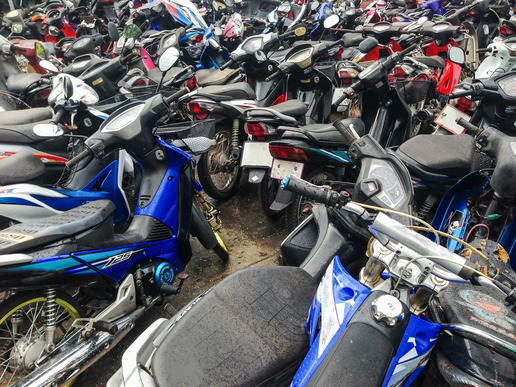
Motorcycle riders love the freedom, speed, convenience and often lower price points of their ride of choice. However, they are the first to admit that riding a bike poses serious dangers when compared to traveling in an enclosed vehicle. The motorcycle industry is doing its best to address this fundamental problem via technological advances that could improve motorcycle safety. Some of those ideas follow. Motorcycle Safety Technology Airbags When Honda Gold Wings attempted to install airbags to protect riders in 2006, the manufacturers met with little success. Since a rider is almost fully exposed, the airbag offers minimal protection, except …
Continue reading “The Future of Motorcycle Safety Technology”
Motorcycle accident fatalities occur with disturbing frequency, according to numerous, independent industry surveys. However, the data show that motorcyclists can take proactive measures to reduce risk, especially if they wear helmets and avoid riding while under the influence of drugs or alcohol. A Brief History of Helmet Safety Laws Nineteen states and the District of Columbia require helmets for all motorcyclists as of March 2016. The federal government enforced helmet laws for all riders starting in 1967, but in 1976, the states won the right to make their own helmet laws, and the Department of Transportation quit tying federal funding …
Continue reading “Motorcycle Accident Trends and Statistics in 2016”
NO PRESSURE. SPEAK TO AN ATTORNEY. NO HIDDEN FEES.
"*" indicates required fields
NO PRESSURE. SPEAK TO AN ATTORNEY. NO HIDDEN FEES.
"*" indicates required fields
